Helix Journal · The Life · No. 15
 Danilo Ralić “The Plug”
What Makes Founder Retreats Worth It?
Founder retreats are worth it when the people in the room, not the villa around them, are the asset that compounds. Put eight vetted, same-stage operators at one table for 72 hours and the trip keeps paying for years; book a five-star villa for an open guest list and you have bought a holiday with name tags. The worth-it line is the guest list, because logistics cost the same for everyone and only the reviewed roster of who sits at the table varies.
A real 72-hour retreat breaks into three night tables, two hot-seat mornings, and two deliberately empty afternoons, runs $2,500 to $5,000 a seat before flights at the standalone weekend, and survives four artifact checks that separate curation from catering before any money moves.

What is a founder retreat actually for?
A founder retreat is for compressing months of trust into three shared days, so operators from different companies leave knowing each other's real numbers; everything else on the agenda is staging for that compression. A company offsite aligns one team behind one roadmap and answers to one P&L. A vacation asks nothing of anyone. The format this page covers seats operators from different companies who owe each other nothing yet, and its only real output is the relationships still standing after the flight home.
The villa depreciates the moment you check out; the people appreciate for a decade.
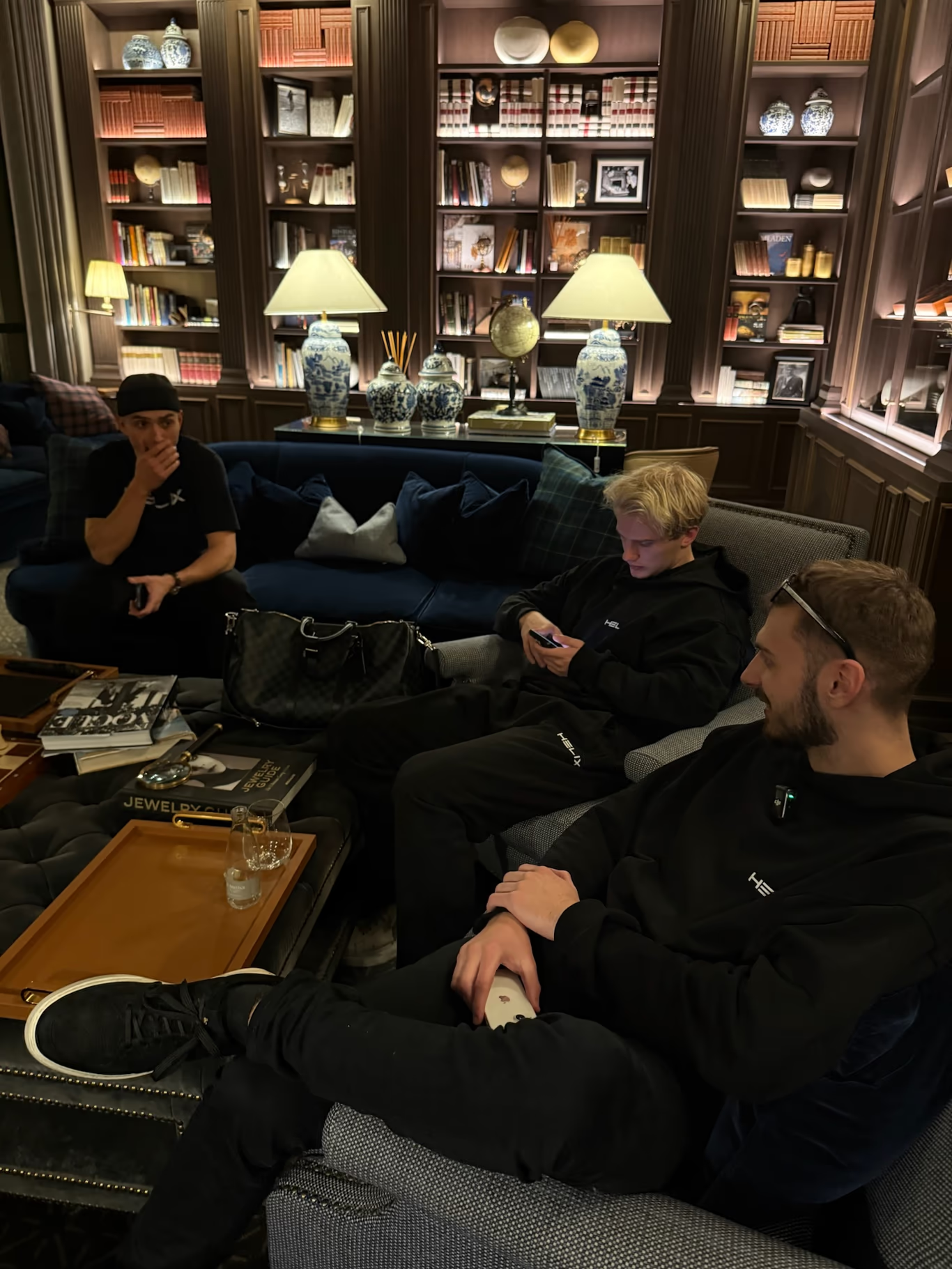
Peer quality outranks location because every hour of the trip is priced by who hears you. Summit (invite-only events organization, founded 2008) fills ships and mountain towns with thousands, and at that scale the format works as theater: you collect energy and a phone full of first conversations. Eight same-stage operators in one villa work differently. By the second dinner the table knows your numbers, your bottleneck, and the decision you keep deferring, which a thousand-person room cannot produce and a vetted eight can produce little else. Most retreats sell the villa anyway, because it photographs better than the guest list reads. Vetting is the multiplier: an open signup form seats whoever paid first, so your roster is luck, while a reviewed list makes even the idle hours productive by default. Where each travel-first format lands on that spectrum is mapped in founder travel groups.
Small breaks the format too, when stages are mismatched: an operator clearing eight figures seated beside someone pre-launch spends the weekend translating instead of trading. Selection has to filter for stage, not just for an impressive bio. The eight right people beat the eighty impressive ones on every trip.
A roster that earns its hours filters on more than a tidy bio. The signals worth weighting:
- Stage parity. Revenue and team size close enough that advice transfers without translation, so nobody spends the weekend explaining their basics.
- Skin in the game. Operators still running the company, not advisors selling a deck, because the table trades on live decisions.
- A real bottleneck to bring. Each seat arrives with one decision worth a hot-seat; a founder with nothing stuck contributes little and gains less.
- Reachability afterward. People who answer a message in March, since the relationship, not the villa week, is the asset that compounds.
What happens at a real founder retreat?
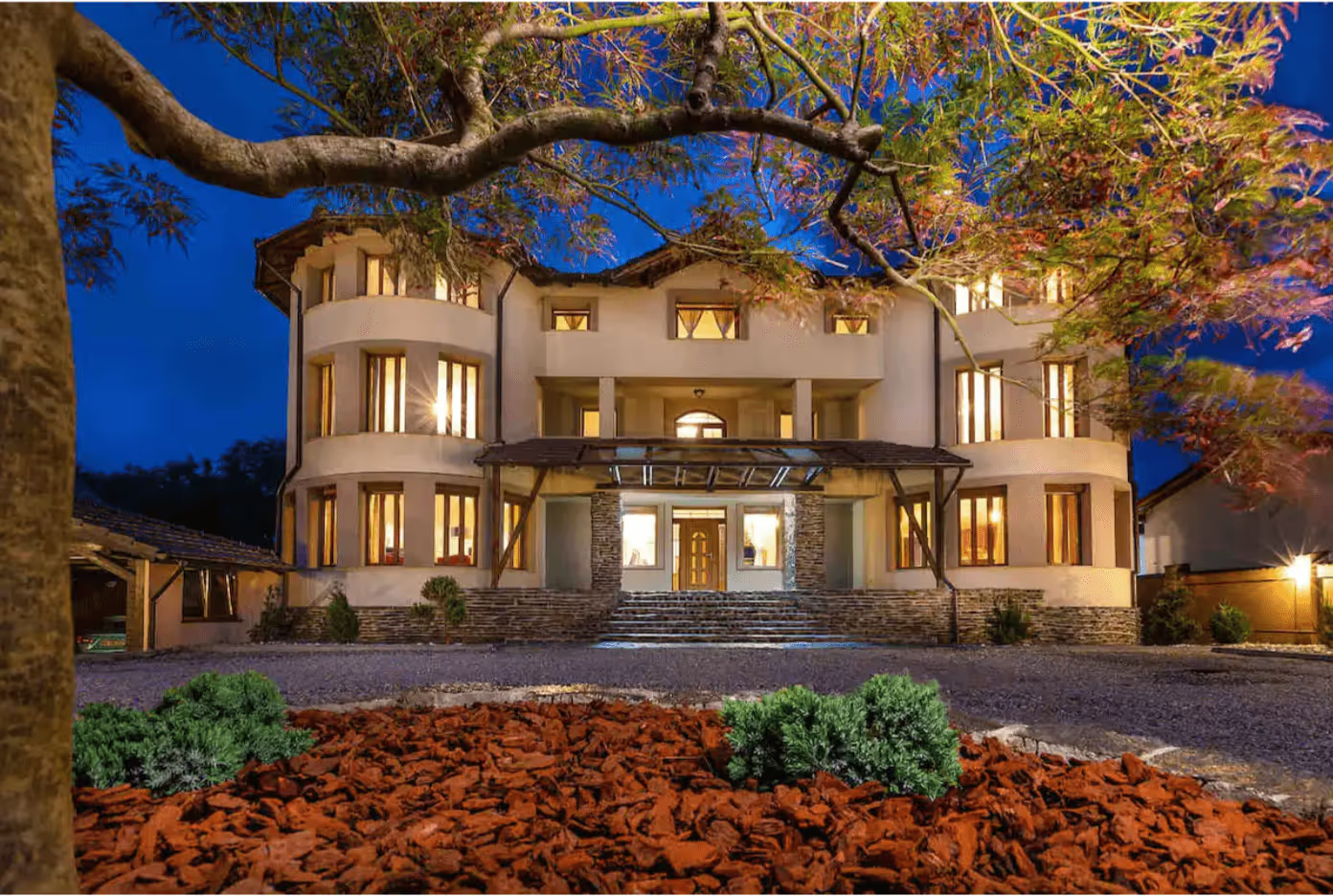
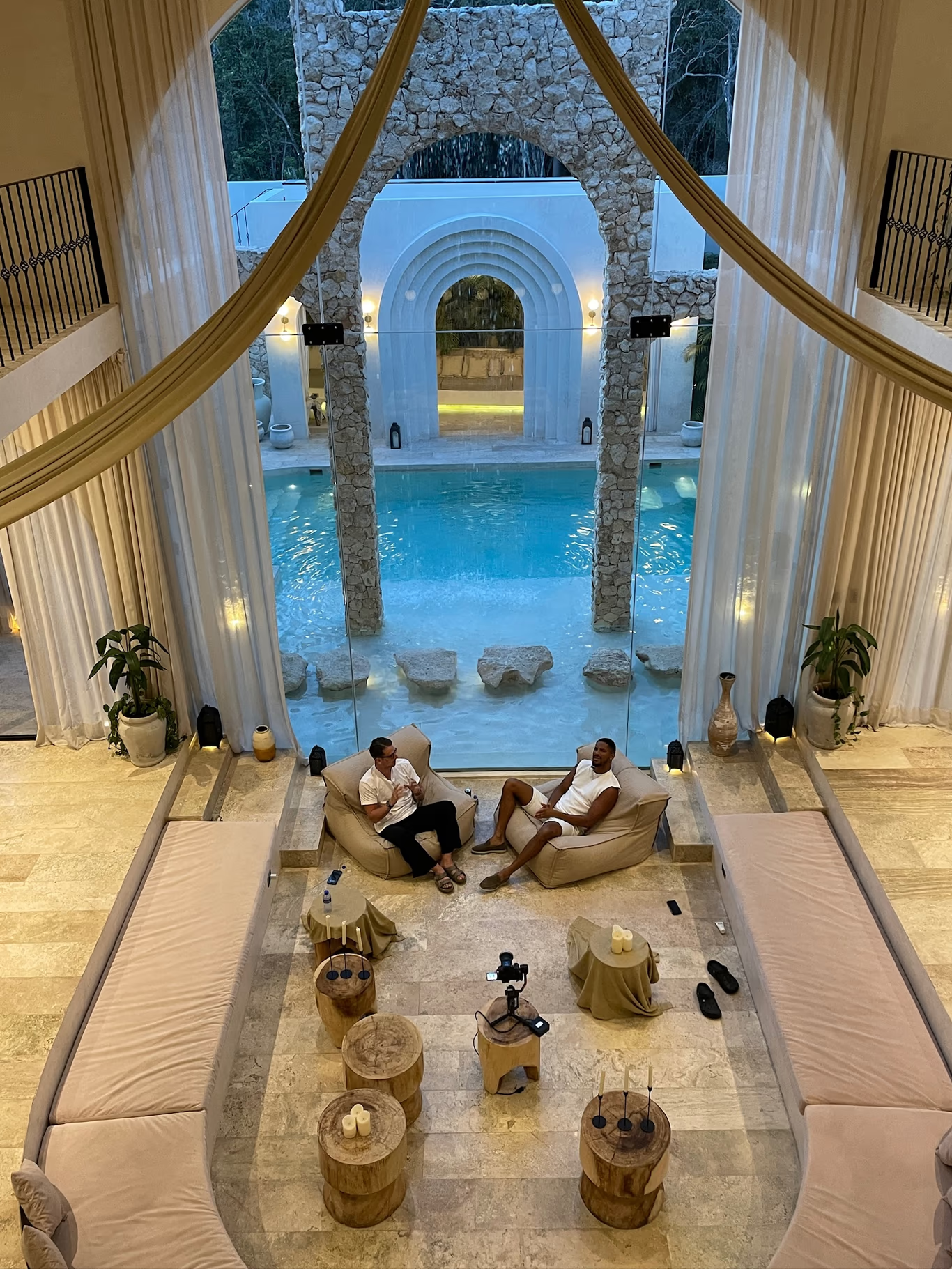
At a real founder retreat, 72 hours run on three night tables, two hot-seat mornings, and two afternoons left deliberately empty, and that fixed anatomy is the entire format. Helix (private vetted founder community, est. 2024) set that table on Koh Samui (an island in the Gulf of Thailand), one stop in a calendar that adds up to 60+ trips across 4 continents since 2024. Arrival night opens with one long table and zero slides; introductions run on numbers rather than titles, and the first real problem usually surfaces before midnight. Hot-seat mornings follow: each founder brings one live decision, the table pulls at it for a focused block, and the person who owns it mostly listens. Afternoons stay empty on purpose. Evenings return to the table, and the third night runs deeper than the first because the same people have now heard the same problems twice. Twelve public vlogs on YouTube (@helix-vlogs) hold the moving footage, and the 60+ trip log holds the rest of the calendar. None of it is proprietary as a format; what cannot be copied is who passed the review to sit there.
The empty afternoon is the most engineered block on the schedule.
Unstructured hours are where the specific introductions happen, because two founders who heard each other's hot-seats find their overlap at the pool without a facilitator in sight. Sequencing makes that work: context first, freedom second. Reverse the order and the same afternoon produces small talk. This breaks at scale, too: hand 40 strangers a free afternoon and you get a cocktail party, hand a vetted eight the same hours and you get working sessions nobody scheduled. One outcome traces cleanly through those hours: a sports-education founder went from $200k to $2M in annual revenue inside twelve months, after introductions made at these tables, where proximity, not programming, was the return mechanism.
Interactive · The 72-Hour Anatomy
Koh Samui, hour by hour
Drag the handle or tap a block. Toggle the overlay to see what a typical retreat schedules at the same hour.

H+00 · Day 1, afternoon
Arrival
Check-in at the villa. Nothing is programmed; faces get names before anyone talks numbers.
Typical retreat, same hourRegistration desk, lanyards, welcome drinks with a room of strangers.
Logged: Koh Samui, one of 60+ Helix trips since 2024
Scrub the anatomy above against the overlay of what typical founder retreats schedule at the same hour, and the thesis stops being abstract. Every night block runs the same mastermind dinner agenda the table uses in every city, so the format survives any change of continent.

From the founder's journal
Working hard without playing hard makes you stale; playing hard without working hard makes you broke. Combine both, and life starts compounding.
Danilo Ralić — “The Plug,” Helix founderHow do you judge a founder retreat before you pay?
You judge a founder retreat before you pay with four questions: who is at the table, who reviewed them, what the seat cap is, and what continues after the flight.
Weekend founder retreats commonly list seats in the $2,500 to $5,000 band before flights, an editorial market estimate as of mid-2026. Read the line items honestly and most of that buys logistics: villas, chefs, transfers, a photographer. Any operator can buy those at the same market rate, so the only variable worth paying for is curation, the reviewed list of who else is in the room. Membership models price the same days differently: trips fold into a community seat, so a retreat becomes one expression of a standing table instead of a one-off ticket. Against a $3,500 standalone weekend, membership buys continuity; against a conference pass, both look expensive until one introduction clears the bar, since a single deal, hire, or partner sourced at the table repays the cost either way. What no price covers is a room nobody filtered.
Catering is a commodity; curation is the only line on the invoice that varies.
Three buyer paths price the same villa differently. Separate the logistics from the room and the spread below sorts itself out.
| What you are buying | Typical price (before flights) | Who reviews the room | What continues after | Best when |
|---|---|---|---|---|
| Conference pass | $500 to $2,000 | Nobody; open signup | A full camera roll, few names | You want volume and energy |
| Standalone weekend retreat | $2,500 to $5,000 | A processor that clears the card | A group chat that fades | A reset among smart strangers is enough |
| Membership table | Folded into a yearly seat | A named human, application read by hand | The next city, already booked | You need the same people knowing your numbers in March |
Prices are editorial market estimates as of mid-2026. The pass and the weekend can both be worth it; the difference that survives the flight home is who got to say no at the door.
Does a retreat fix burnout, or fund avoidance? It treats exactly one input. The founder carries risk nobody on the payroll shares, so the hardest calls get made alone, and that isolation is what corrodes first. A strong table treats it directly, and the relief compounds because the same people stay reachable after the flight, but workload it does not touch: 72 good hours cannot offset a broken calendar, which is why a trip belongs inside a wider founder burnout support structure rather than in place of one. One edge case cuts harder still: a founder six weeks from the end of runway needs revenue, not a retreat, so fix the cash first and the table will still be there.
Some argue the whole category is a vacation founders bill to the company, and for plenty of operators the charge sticks: open signup, a keynote for cover, spa blocks invoiced as bonding. The refutation is what continues afterward. A standalone weekend ends at the baggage carousel; a retreat attached to a standing community keeps compounding, because the people, not the itinerary, are what travels to the next city. Helix has set its table in Belgrade, Marbella, Cape Town, Bucharest, Tivat, and Albufeira since 2024, with a public roster of 70+ vetted operators and every application read personally by Danilo Ralić through a four-minute form. The same faces returning city after city is the one thing a holiday cannot fake. Hold any operator to that test and the accusation sorts the market for you.
Run the four questions as artifact checks before any deposit leaves your account:
- Ask for the last trip's attendee list, not the next one's brochure. Named people with named companies can be checked in ten minutes. "High-caliber founders" is font styling.
- Count the unstructured hours on the real agenda. Zero empty blocks means programming is covering for the guest list. An operator confident in the room leaves it alone together.
- Name the reviewer. Either a person reads applications or a payment processor does the vetting. Only one of those can say no.
- Check what exists after the flight. A group chat that dies in three weeks was a holiday. A calendar with the next city already on it is a community.
When the four answers come back named and checkable, pick the room over the brochure every time. A standalone weekend is the better choice when a reset among smart strangers is genuinely all you need. Choose a membership table when you need the same people to still know your numbers in March, because the strongest founder retreats are not events at all; they are what a vetted founder community does on its calendar.